
Trusted Attic Insulation for San Antonio Homeowners
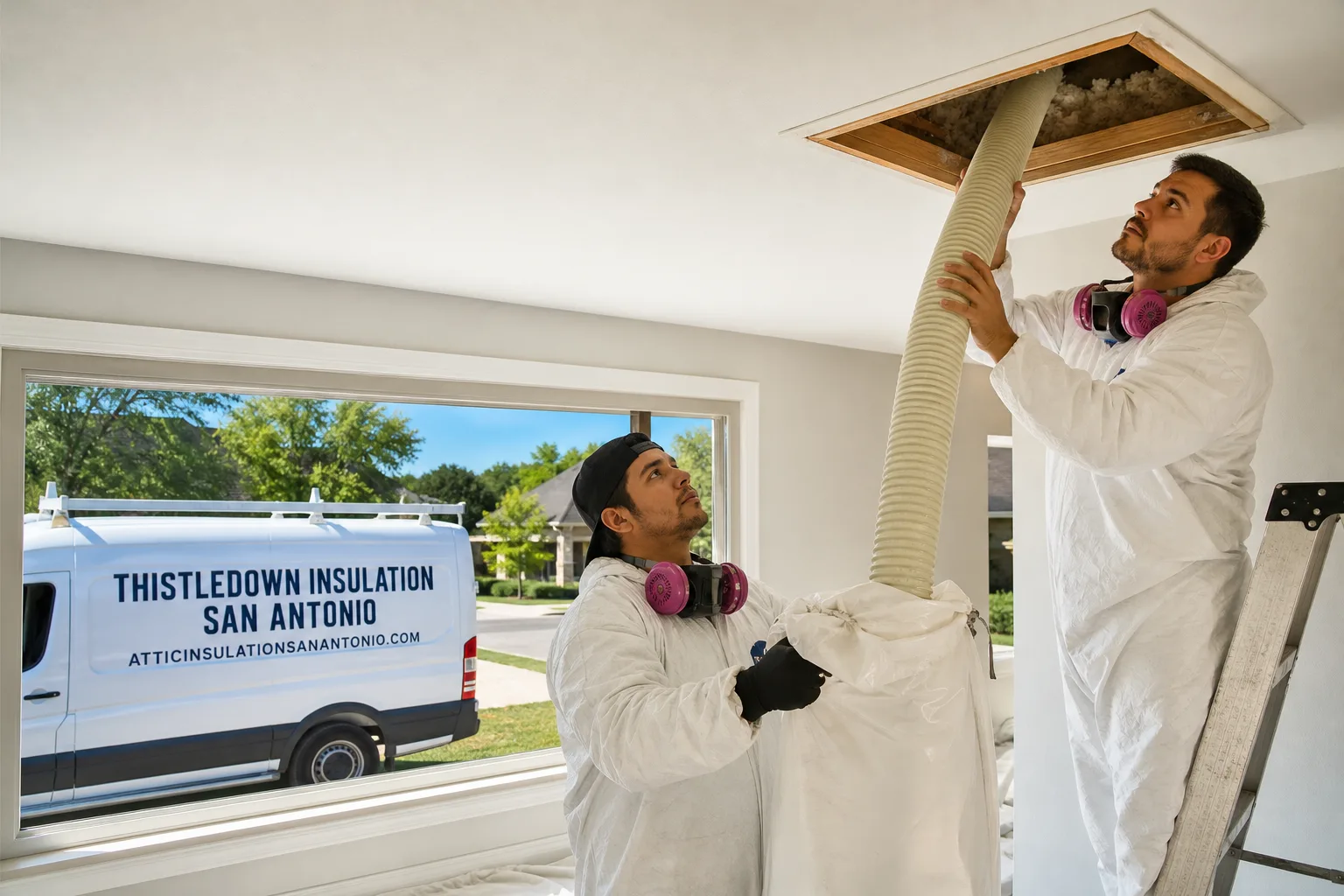
Attic insulation in San Antonio has to work harder than in most Texas cities. Summer attic temperatures here routinely climb past 140 degrees, and that heat pushes down into your living space, making your AC run constantly. Thistledown Insulation San Antonio has helped local homeowners fix this since 2003, installing the right insulation so upstairs bedrooms stay comfortable and energy bills stay predictable. Our background-checked, uniformed technicians show up when we say we will, and every job gets a written price before any work starts. If you’re tired of rooms that never cool down, call (903) 437-9164 and a live person answers, day or night.
Blown In Insulation
Blown In Insulation is one of the most effective ways to fill an attic in San Antonio because it settles into every gap and corner that batts leave open. Whether you’re doing an Attic Insulation Top-Up on old fiberglass or starting fresh, blown-in material creates a continuous thermal blanket that keeps conditioned air inside and attic heat out. Our team installs blown-in fiberglass and cellulose options, matched to your attic’s depth, your home’s age, and your family’s needs. In San Antonio, blown-in insulation projects typically range from $1,200 to $3,800 depending on square footage and existing material depth, and you will have your exact written number before we touch a rafter.
Cellulose for Tight Coverage
We often recommend GreenFiber cellulose for attics with lots of odd angles, plumbing runs, and recessed light housings. The material packs tightly around obstacles, reducing air leaks in ways Attic Batt Insulation physically cannot. It also carries a Class A fire rating and is treated for pest resistance, which matters in San Antonio’s climate.
Fiberglass for Lightweight Lift
For attics where weight or future access is a concern, blown-in fiberglass gives solid R-value per inch without compressing ceiling drywall below. We monitor depth across the entire attic floor, not just near the hatch, so you do not end up with thin spots over the nursery or the hallway.
Insulation Contractors
Insulation Contractors do more than blow material into an attic, they assess airflow, identify thermal gaps, and recommend the product that solves your specific problem. Thistledown Insulation San Antonio sends trained technicians who measure your current R-value, check for air leaks around penetrations, and explain the options in plain English before quoting a dollar amount. Hiring a contractor for insulation in San Antonio typically costs $1,500 to $5,000 depending on material type, attic size, and prep work required. Your written price includes everything: labor, material, drop cloths, shoe covers, and the photo of the clean-up before we leave.
One Crew, Start to Finish
We do not subcontract your attic to an unknown crew. The same uniformed technicians who walk your home for the estimate are the people who return to do the work. That consistency means you know exactly who is upstairs, and we know exactly what your attic needs.
Written Before We Work
No insulation contractor should start a job without a firm number on paper. Every Thistledown project gets a written proposal with line items for material, labor, and disposal, so there are no surprises when the invoice arrives. If the scope changes mid-job, we stop, explain, and get your sign-off before proceeding.
Attic Ventilation
Attic Baffles & Ventilation Prep in San Antonio matters as much as insulation, because trapped heat and humidity will undo even the best insulation job. A properly vented attic lets hot air escape through ridge or roof vents while drawing cooler air in through soffit vents, protecting your roof decking and keeping the attic closer to outdoor temperature. Our team checks intake and exhaust balance in every attic we touch, because a common San Antonio problem is a roof with plenty of exhaust but almost no intake airflow. Attic ventilation upgrades typically run $600 to $2,200 depending on vent type and roofline, and we include ventilation assessment with every insulation estimate.
Balancing Intake and Exhaust
Most attics in San Antonio have ridge vents or roof louvers but not enough soffit ventilation to feed them. We measure the net free area of both intake and exhaust, then recommend the right addition, whether that’s continuous soffit vents, baffles, or a solar-powered attic fan. Without that balance, your attic pulls conditioned air from your living space, which drives up cooling costs.
Humidity and the San Antonio Climate
Our humidity, especially during spring and fall rain seasons, can condense on the underside of a poorly vented roof deck. That moisture feeds mold and warps sheathing over time. Ventilation is not an upsell for us, it is part of making your insulation perform the way it should for a decade or more.
Radiant Barrier
Radiant Barrier is a reflective material installed in the attic to block radiant heat from the sun before it ever reaches your insulation. In San Antonio, where the sun beats on your roof for months at a stretch, a radiant barrier can reduce attic temperatures by up to 30 degrees, which means less heat radiating down into your ceilings. Thistledown Insulation San Antonio installs radiant barrier as a complement to blown-in or batt insulation, stapled to the rafters or laid over existing insulation depending on your attic’s configuration. Radiant barrier installation in San Antonio typically costs $800 to $2,600, and your written quote includes the exact material and attachment method we’ll use.
Rafter-Mounted for Attic Storage
If you use part of your attic for storage, rafter-mounted radiant barrier keeps the space cooler and leaves the floor clear. We attach the foil to the underside of the roof deck, which reflects heat before it enters the attic cavity at all. This also helps if you plan to add a mini-split or finish part of the attic later.
Floor-Laid Over Existing Insulation
For attics that rarely get foot traffic, laying radiant barrier over the existing insulation is quicker and often more affordable. The reflective surface faces up toward the roof, sending solar heat back out instead of letting it soak into your insulation. We check for dust accumulation potential, since a dusty barrier loses reflectivity, and advise if a different placement makes more sense for your home.
Attic Cleaning Services
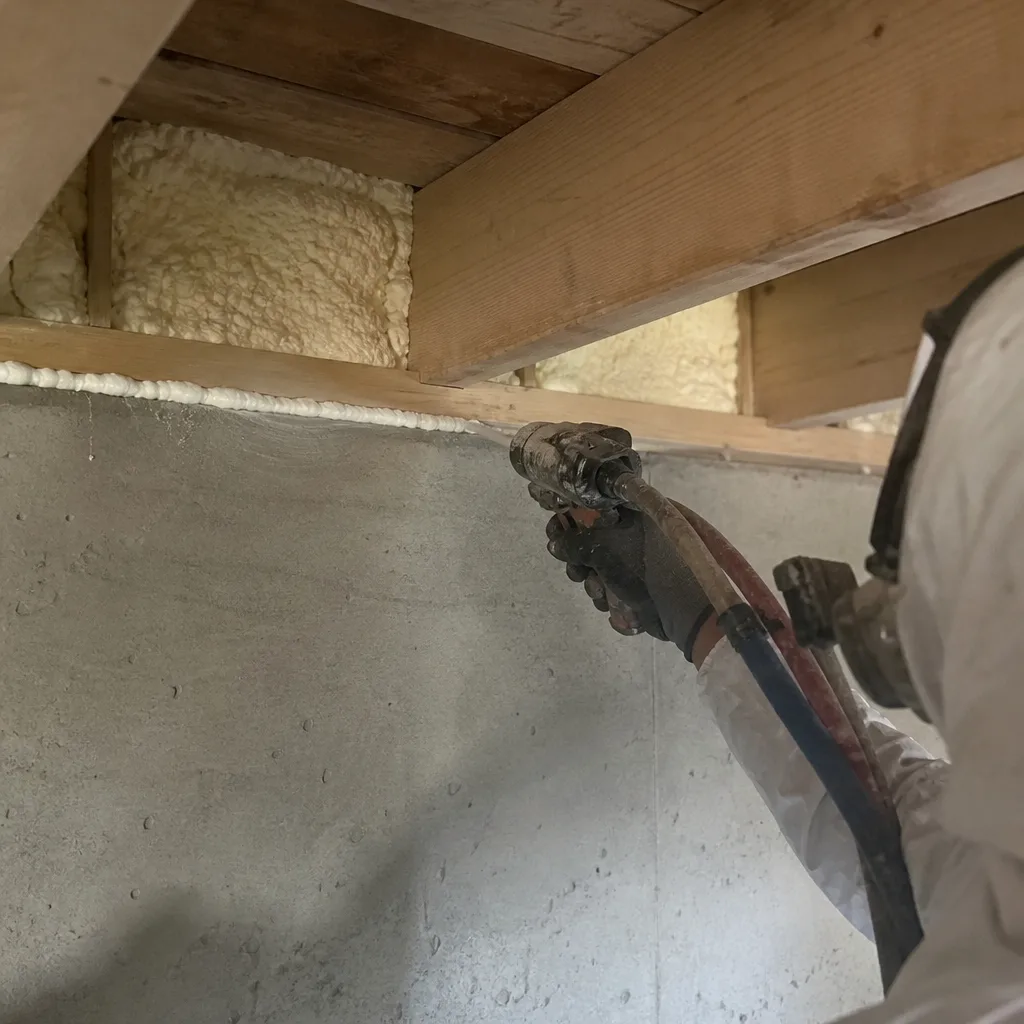
Attic Cleaning Services remove years of dust, rodent droppings, old insulation debris, and construction leftovers that can affect your air quality and hide problems from view. Many San Antonio attics have never been cleaned since the house was built, and that buildup makes it hard to assess insulation condition, wiring safety, or moisture issues. Thistledown Insulation San Antonio offers full attic cleaning as a standalone service or as prep before new insulation, using HEPA-filtered vacuums to keep dust from spreading into your living space. Attic cleaning in San Antonio typically runs $500 to $1,800 depending on attic size and debris load.
HEPA Filtration, Not Broom Dust
We use commercial HEPA vacuums that capture fine particles instead of sweeping them into the air, where they drift down through ceiling fixtures and into your home. Drop cloths go down across your hallway and under the attic hatch before we start, and shoe covers go on at the front door. The kids’ rooms stay as clean as we found them.
Inspection While We Clean
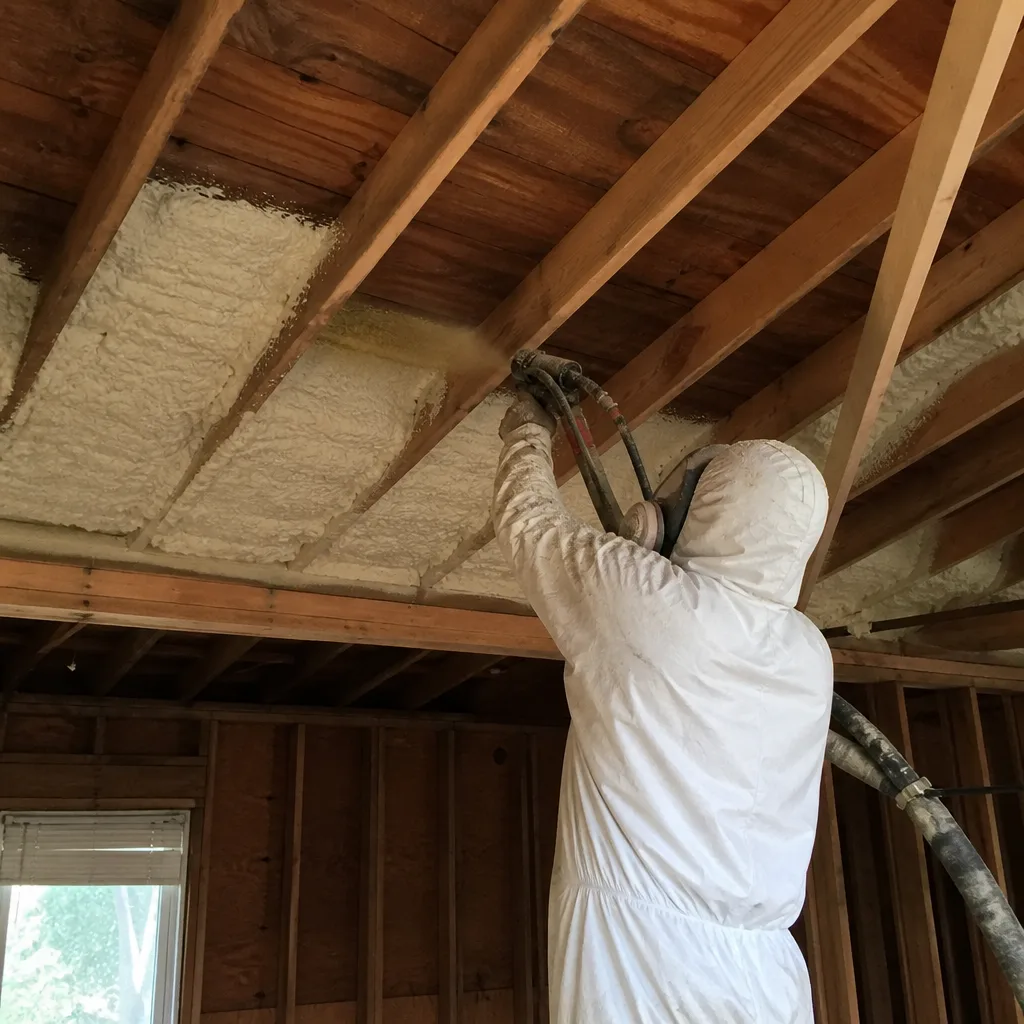
As we clear the attic floor, we also look for what the dust was hiding: chewed wiring, water stains, cracked vent boots, or failing insulation. You get a plain-language summary with photos, so you can decide what needs attention now and what can wait. No scare tactics, just facts.
What happens when you call
- 1
A real person answersNo phone trees - you reach a local pro.
- 2
You get an upfront price rangeHonest numbers before anyone is dispatched.
- 3
A background-checked tech heads outLicensed & insured, dispatched right away.
- 4
You approve before work beginsNothing starts until you say go.
Attic Mold Removal
Attic Mold Removal in San Antonio often starts with a humidity or ventilation problem, not a roof leak. Warm, moist air rises into the attic and condenses on cool surfaces, especially around bathroom exhaust vents that terminate in the attic instead of outside, which is a code issue we see regularly in older San Antonio homes. We remove mold-affected insulation, treat the framing with antimicrobial products, and correct the airflow problem that caused the growth in the first place. Attic mold remediation typically ranges from $1,800 to $6,000 depending on the affected area and insulation replacement needs. Mold removal involves working with contaminated material, and we strongly recommend a trained professional rather than a DIY attempt.
Finding the Source, Not Just the Stain
Killing surface mold without fixing the moisture source means it returns within a season. Our technicians trace humidity and condensation points, check bathroom fan terminations, and test ventilation balance before recommending a treatment plan. We document everything with photos so you can see the before, the during, and the after.
Safe Removal and Disposal
Removing moldy insulation safely requires containment and proper disposal, not just bagging it and dragging it through the hallway. We seal off the attic access, run HEPA air scrubbers during removal, and dispose of contaminated material according to local San Antonio waste regulations. Your family never encounters the material we remove.
Attic Insulation Removal
Attic Insulation Replacement starts with removal when insulation has been soaked by a leak, contaminated by pests, or has broken down into dust that no longer insulates. In San Antonio, we also remove old insulation when homeowners want to upgrade from fiberglass to spray foam or when blown-in material has settled below useful depth. Our crew removes the old material with commercial vacuum equipment, bags it for disposal, and leaves the attic floor clean and ready for whatever comes next. Attic insulation removal in San Antonio typically costs $700 to $2,400 depending on material type, volume, and attic access.
What We Remove, and What We Do Not
We remove fiberglass, cellulose, rock wool, and blown-in material of all types. What we do not remove is your patience: removal projects are scheduled with a set arrival window, and our team works efficiently so your attic is accessible again quickly. The vacuum equipment stays outside or in the garage when possible, with hoses run through the attic access.
When Removal Precedes Replacement
Sometimes the best insulation decision starts with taking the old material out. If we find extensive rodent nesting or a long-running leak that soaked the insulation, removal lets us inspect the decking and wiring before new material covers everything again. You get a clean slate and a clear picture of your attic’s actual condition.
Brands We Service
Thistledown Insulation San Antonio installs and services products from CertainTeed, Icynene, Demilec, GreenFiber, and other leading manufacturers. CertainTeed fiberglass and cellulose lines give us reliable, consistent R-value options for standard attic retrofits, and we know their installation specifications well. Icynene spray foam is a frequent choice for San Antonio homeowners who want air sealing plus insulation in one step, especially in attics with complex rooflines or ductwork. Demilec’s closed-cell products suit homes where moisture resistance matters, like attics above rooms with high humidity.
We also install GreenFiber cellulose for families who want a product with high recycled content and fire-resistance treatment. Whatever brand your attic needs, the decision is based on your home’s construction, your family’s comfort goals, and the written price you approve before we begin. No brand loyalty overrides what is right for your attic.
Signs You Need a Pro Right Now
- Rooms That Never Cool Down. If your upstairs bedrooms stay five or ten degrees warmer than the thermostat setting, your attic insulation is not stopping heat transfer. In San Antonio summers, this is often a sign that insulation has settled well below its rated depth or was never thick enough for our climate.
- Energy Bills That Climb Every Summer. A cooling bill that rises year over year without a change in usage patterns usually points to insulation that is losing effectiveness. Heat gain through the attic forces your AC to run longer cycles, and that cost adds up month after month.
- Visible Dust or Debris Around Ceiling Fixtures. When fine dust drifts down around recessed lights or ceiling fans, your attic insulation may be breaking down or your attic may have excessive positive pressure. Either way, an inspection tells you what is happening above the drywall.
- Hot Ceilings After Sunset. Place your hand on the ceiling of an upstairs room an hour after the sun goes down. If it still feels warm, the attic is retaining heat, which means insulation, ventilation, or both need attention. This is one of the simplest diagnostic checks we recommend.
- Pest Activity You Cannot See. Scratching sounds, unexplained droppings in the garage, or a musty smell near the attic hatch can indicate rodents or squirrels nesting in the insulation. Contaminated insulation loses effectiveness and poses air quality concerns, especially for homes with kids and pets.
Our Process, Step by Step
- 1
Attic Assessment and Measurement. We inspect the entire attic: current insulation depth, material condition, ventilation balance, air leaks around penetrations, and any signs of moisture or pest activity. We measure square footage and note any obstacles like recessed lights, bathroom fans, or low slope areas that affect installation.
- 2
Written Price and Material Recommendation. You receive a written quote that spells out the recommended insulation type, R-value target, ventilation work if needed, and the exact dollar amount. We explain why we chose that product for your attic, and we do not start until you approve the number on paper.
- 3
Prep Work Inside Your Home. Drop cloths go down from the front door to the attic hatch, shoe covers go on at the door, and we ask before moving anything in your hallway or closets. If kids or pets are home, we use quiet tools and work at a pace that respects nap schedules.
- 4
Removal, Installation, and Ventilation. Our crew removes old material if needed, installs the new insulation to the specified depth, and addresses any ventilation correction we quoted. We check depth with marked rulers across the attic, not just near the access point, so every corner meets the R-value target.
- 5
Clean-Up, Photo, and Walkthrough. We vacuum the attic access area, remove all debris, and take photos of the finished attic and the clean floors below. You see the result before we leave, and any questions get answered on the spot. The 365-Day Done Right Promise applies from that day forward.
How Much Does Attic Insulation Cost in San Antonio?
Attic insulation in San Antonio typically costs between $1,200 and $5,000, depending on the material, attic size, and current insulation condition. Blown-in fiberglass for a 1,500-square-foot attic usually runs $1,400 to $2,400, while spray foam insulation for the roofline in the same house typically falls between $3,500 and $6,500. Radiant barrier adds $800 to $2,600 when combined with insulation, and attic insulation removal before replacement adds $700 to $2,400 to the total. These ranges reflect what we see across San Antonio neighborhoods from Alamo Heights to Timberwood Park.
What affects your price: attic square footage, existing insulation depth, access difficulty, whether old material needs removal, and whether ventilation upgrades are included. Homes with walk-in attics or complex rooflines cost less to access, while tight attics with low clearance take more labor time. The biggest way to avoid overpaying is to get a written quote that itemizes material, labor, and disposal, so you know exactly what you’re paying for. Our free estimate includes a full attic inspection, a material recommendation based on your home’s construction, and the option to ask any question before committing. If you want to compare our number to other insulation contractors, you’ll have a line-item quote in hand to do it fairly.
Our Service Area Near San Antonio
Thistledown Insulation San Antonio serves homes across the greater San Antonio area, including Alamo Heights, Terrell Hills, Castle Hills, Leon Valley, and Timberwood Park. We also reach Kirby, Cibolo, Floresville, and Lackland AFB, and we work in Attic Insulation in New Braunfels and Attic Insulation in Boerne for homeowners who need the same written-price standard north of the city. Typical response time for an estimate is next business day, and our 24/7 phone line means you can schedule around your family’s routine. Learn more about Attic Insulation in San Antonio or return to our home page for a full overview of what we do.
Serving San Antonio, TX - Our Local Coverage Area
We’re based in the San Antonio area and know this community well. Use the map below to see our service coverage - if you’re nearby, we can almost certainly help.
Frequently Asked Questions About Attic Insulation in San Antonio
Attic insulation is material installed on the attic floor or roofline to slow heat transfer between your living space and the outdoor air. In San Antonio, it keeps summer heat out of your home and conditioned air inside, reducing the load on your AC system. Common materials include fiberglass batts, blown-in fiberglass, cellulose, and spray foam.
Most attic insulation jobs in San Antonio take four to eight hours, including removal of old material if needed. Larger attics or spray foam projects can run a full day or two. We give you a time frame with your written quote, and we arrive when we say we will.
Attic insulation in San Antonio typically costs $1,200 to $5,000 depending on square footage, material, and prep work. Blown-in projects usually fall between $1,400 and $2,400 for a standard home, while spray foam runs higher at $3,500 to $6,500. Call (903) 437-9164 for an exact quote, estimates are free and include a full attic assessment.
Yes, we install and service all four brands, along with Owens Corning, Johns Manville, Knauf, and Rockwool. The right product depends on your attic’s construction and your family’s needs, including pet-safe options where a choice exists. We match the brand to the job, not the other way around.
Our phone line is answered by a live person 24 hours a day, seven days a week, and we can often schedule an emergency visit the same day for active leaks, pest entry, or mold concerns. Call (903) 437-9164 and tell us what is happening, and we will tell you honestly when we can have someone at your home.
Every job we do is covered by the 365-Day Done Right Promise: if it’s not done right, we make it right, no debate and no fine print. Manufacturer warranties on materials vary by product, and we explain exactly what applies to your project in writing before work starts.
Clear a path to the attic access, move any hallway furniture that blocks the route, and let us know if anyone in the home has allergies or if pets will be present. We bring drop cloths, shoe covers, and all equipment, and we ask before touching or moving anything that belongs to your family.
Schedule Your Attic Insulation Service in San Antonio Today
Ready to fix your attic for good? Call (903) 437-9164 and a live person will answer, 24/7, to schedule your free estimate. You’ll get a written price before any work starts, from a crew that shows up in uniform, covers your floors, and cleans up before we leave. No pressure, no surprises, just a straight answer and a right-done job.
Written by Neil Barron, Owner at Thistledown Insulation San Antonio, serving San Antonio since 2003.